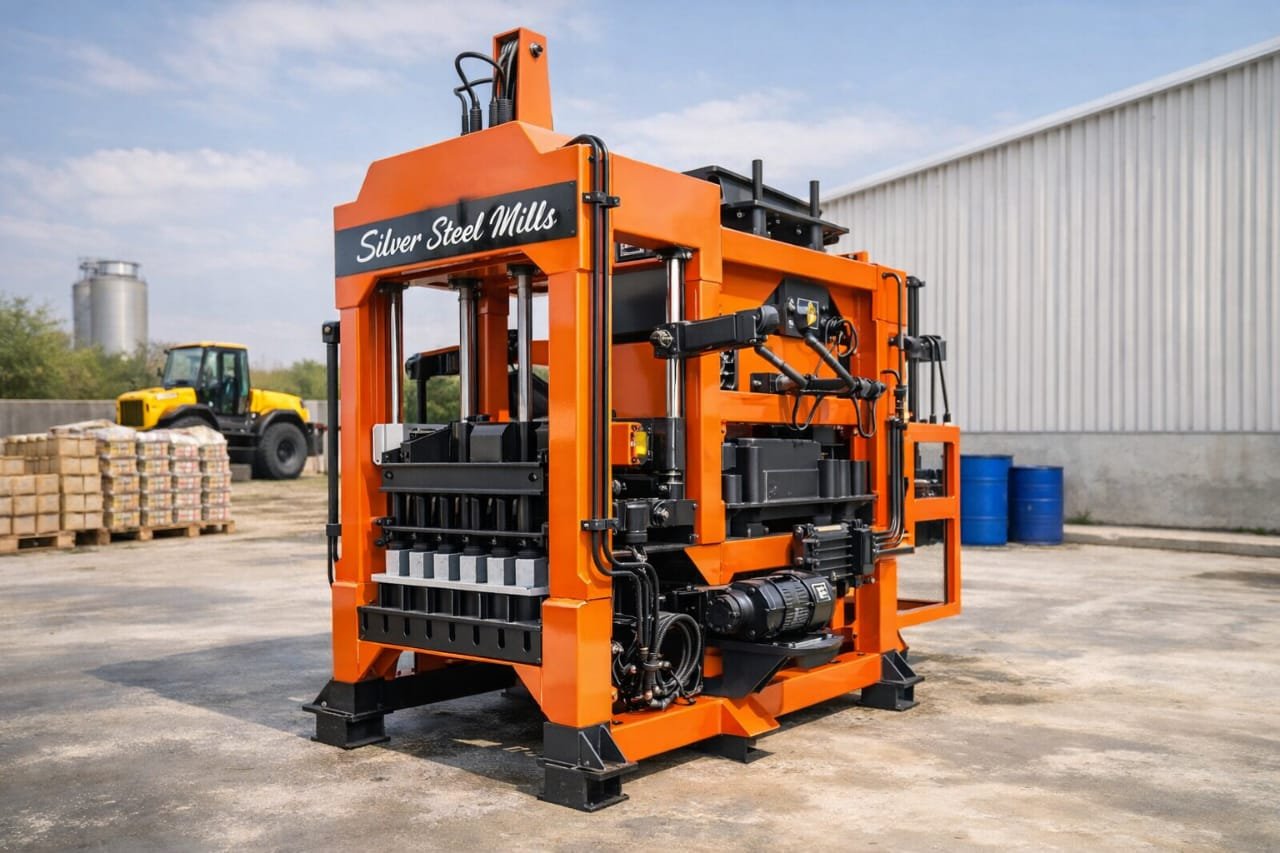
Fly Ash Bricks Machine Price in Pakistan and Environmental Feasibility
This technical feasibility study evaluates the mechanical, environmental, and financial parameters of producing fly ash bricks using high-pressure automatic brick molding systems. It analyzes raw material blending ratios (fly ash, lime, gypsum, and sand) and details the initial capital requirements for setup within the Pakistani industrial sector, where green construction alternatives are gaining rapid legislative support.
The Ecological and Commercial Shift in Brick Manufacturing
The traditional clay brick sector in Pakistan—primarily dependent on coal-fired Fixed Chimney Bull’s Trench Kilns (FCBTK)—is facing severe regulatory pressure due to its high carbon footprint and seasonal smog contributions in Punjab and Sindh. Government environmental protection agencies are increasingly mandating the transition toward eco-friendly, non-fired masonry units. Among these alternatives, fly ash bricks have emerged as the most structurally and commercially viable option.
Recommended Industrial Resources
Block Making Machine Price in PakistanTuff Tile Plant Price in Pakistan
Paver Block Machine Price in Pakistan
Automatic Block Making Machine
Used Block Machine for Sale
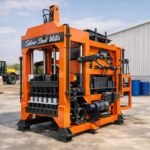
Fly Ash Bricks Machine
Concrete Batching Plant
Steel Structures in Pakistan
Industrial Shed Solutions
PEB Steel Buildings
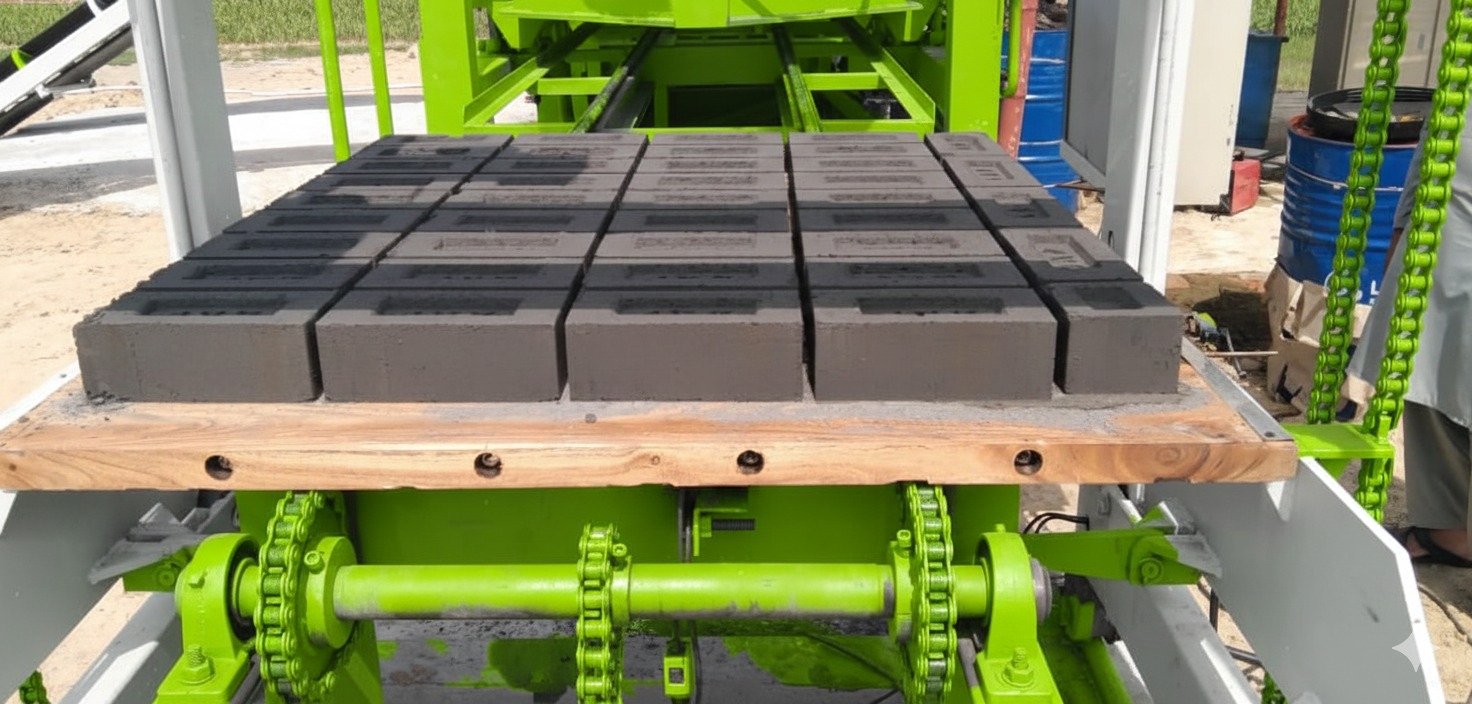
For industrial investors, calculating the fly ash bricks machine price in pakistan requires a clear understanding of the mechanical differences between traditional clay molding and chemical-bond compression. Fly ash bricks do not require baking inside a kiln; instead, they achieve high compressive strength through hydraulic compaction followed by water curing. This process completely eliminates the need for coal or wood fuel, significantly reducing daily operational expenses.
Chemical Compaction and Technical Specifications
Fly ash bricks are manufactured using a precise blend of industrial by-products. The primary material, fly ash (pulverized fuel ash), is sourced from coal-fired power plants or large industrial boilers. When mixed with lime or cement, water, and sand/quarry dust, it undergoes a pozzolanic reaction, creating a dense, stone-like matrix that surpasses the strength of standard red clay bricks.
To handle this specific chemical mix without aggregate separation, the automated machinery must maintain high-tonnage static pressure. The table below details the technical baselines required for a commercial automatic eco-brick manufacturing line:
| Engineering Parameter | Industrial Specification Baseline | Impact on Finished Brick Quality |
| Molding Compression Method | Dual-Directional Hydraulic Static Press | Ensures uniform density from top to bottom face |
| Maximum Pressure Tonnage | 150 Tons to 300 Tons ($1500 – 3000 text{ kN}$) | Eliminates micro-voids; achieves $>2,000 text{ PSI}$ |
| Vibration Frequency Range | 45 Hz – 52 Hz (Controlled via PLC) | Settles the fine fly ash particles into sharp mold edges |
| Daily Output Capacity | 12,000 – 24,000 Bricks per 8-hour shift | Dictates commercial profitability and scale |
| PLC Control System | Automatic Material Batching & Sensor Monitoring | Guarantees exact moisture and chemical ratios |
Raw Material Blending Ratios for High-Strength Eco-Bricks
A common technical failure in local setups is the improper formulation of the raw material mix, which results in bricks that look chalky or exhibit low resistance to moisture.
An optimized, industrial-grade formulation for high-compressive-strength fly ash bricks consists of:
- Fly Ash (55% to 60%): Acts as the primary pozzolanic material.
- Quarry Dust or Sharp Sand (25% to 30%): Provides structural bulk and grading.
- Lime or Ordinary Portland Cement (8% to 12%): Serves as the primary chemical binding agent.
- Gypsum (3% to 5%): Accelerates the initial setting time and enhances long-term hardness.
Machinery Selection and Structural Integrity
Because fly ash is highly abrasive, the mixing blades and mold liners suffer faster wear rates compared to standard concrete manufacturing. Standard mild steel molds wear out quickly, leading to dimensional variations that ruin the sharp, uniform edges required for modern thin-joint masonry.
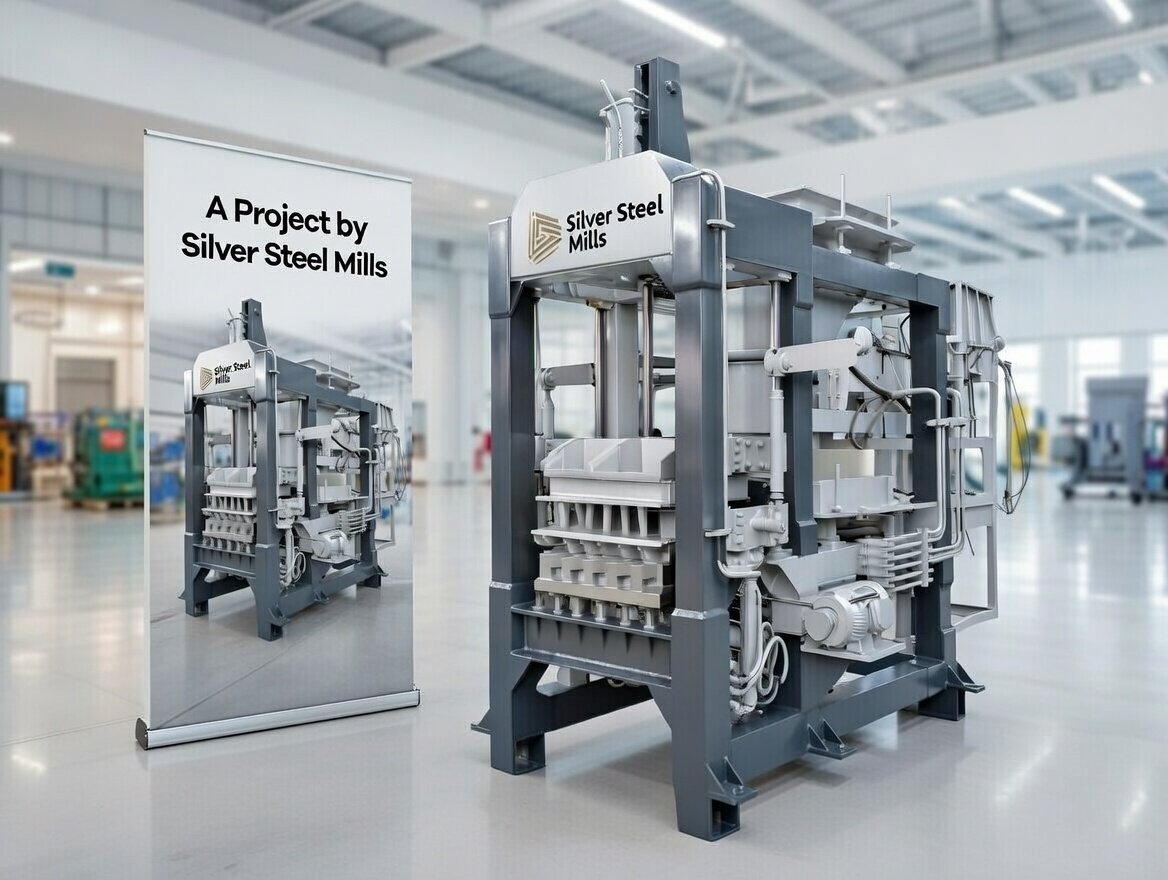
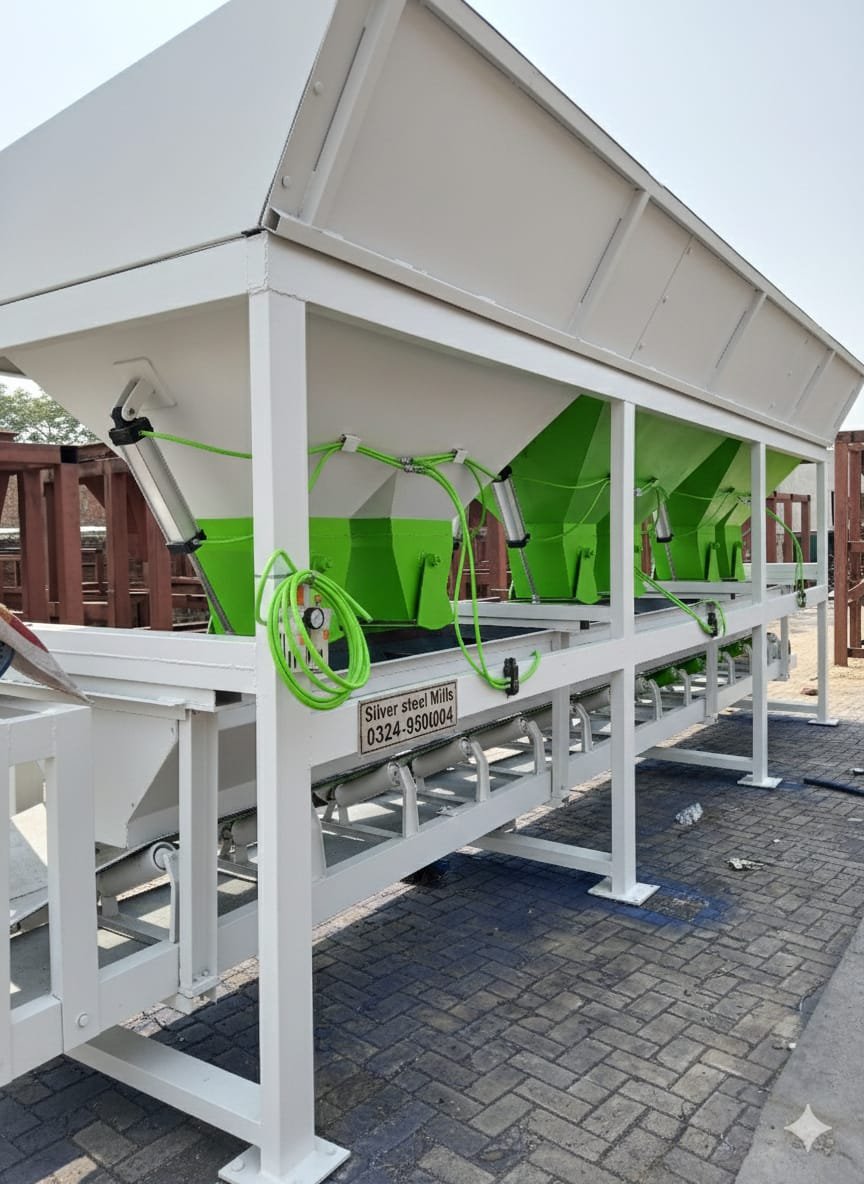
To solve this issue, commercial producers rely on specialized heavy-industry manufacturers. Large-scale eco-brick projects typically source their heavy machinery through trusted engineering companies like Silver Steel Mills, where automatic fly ash brick machines are custom-fabricated using high-grade, heat-treated manganese alloy steel molds. These setups are integrated with automated planetary mixers and heavy-duty hydraulic stations to withstand continuous high-tonnage static pressure without structural fatigue.
Industrial Frequently Asked Questions (FAQs)
Q1: Where can I source fly ash reliably for my factory in Pakistan?
Answer: Fly ash can be sourced directly from local coal-fired power generation plants (such as those in Sahiwal, Port Qasim, or Hub) or from large textile and cement factories that operate independent coal or biomass-fired captive power plants.
Q2: What are the main structural advantages of fly ash bricks over red clay bricks?
Answer: Fly ash bricks are perfectly uniform in shape and size, which reduces mortar consumption during plastering by up to 30%. They also have a much lower water absorption rate ($6% text{ to } 10%$) compared to red clay bricks ($15% text{ to } 20%$), effectively preventing saltpeter (shora) formation on walls.
Q3: How long do fly ash bricks need to be cured before they are ready for sale?
Answer: After hydraulic molding, the bricks must be kept on pallets in a moisture-retaining shed for 24 hours. Following this initial cure, they require continuous water-sprinkle curing for a minimum of 14 to 21 days to complete the chemical hydration process.
Q4: Does an automatic fly ash brick machine require a steam curing setup?
Answer: While atmospheric water-sprinkle curing is perfectly sufficient for standard commercial markets, incorporating an automated steam curing chamber accelerates the chemical binding process, allowing the bricks to reach full strength in just 48 hours instead of 21 days.
Q5: What is the estimated electricity load required to run a fully automatic 150-ton brick press line?
Answer: A fully integrated setup—including the automatic hydraulic station, planetary concrete mixer, raw material conveyor belts, and pallet stacker—typically demands a total connected electrical load of 30 kW to 45 kW on a dedicated 3-phase industrial connection.