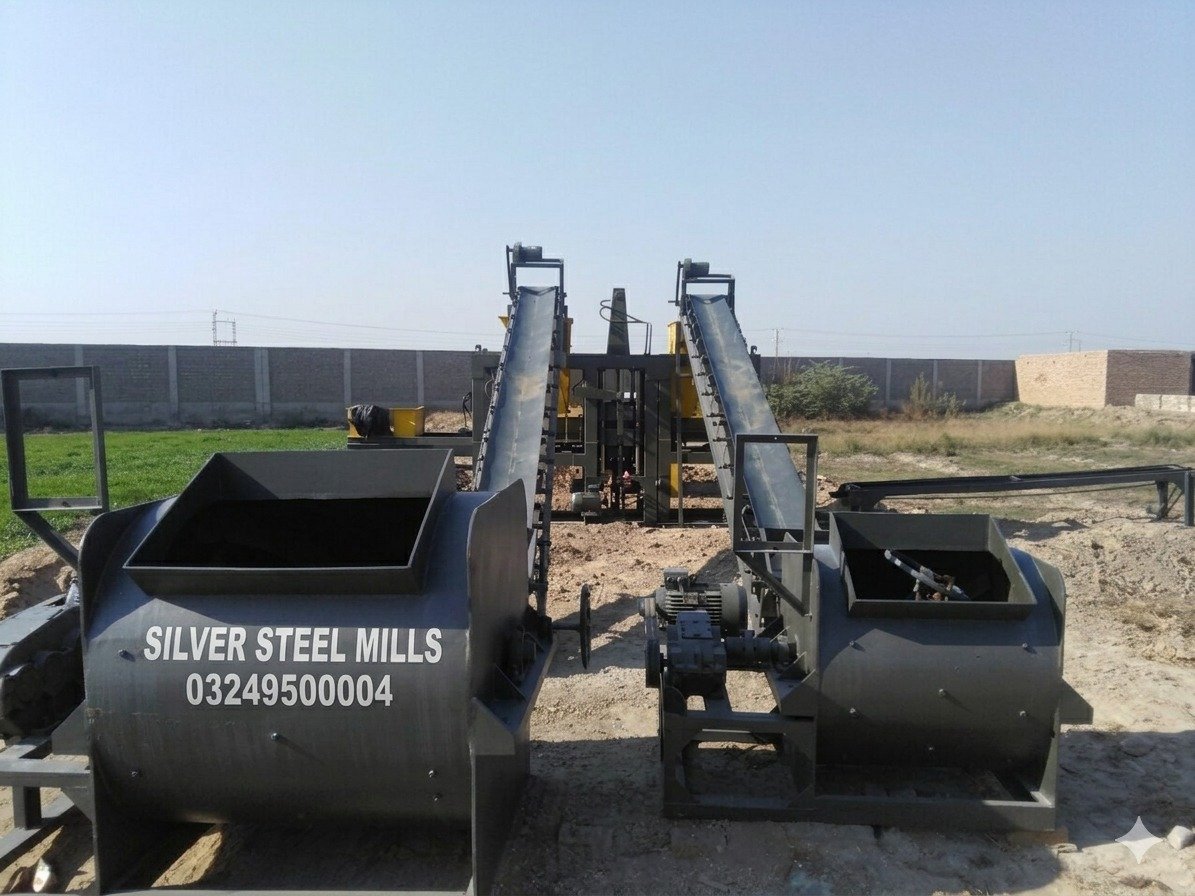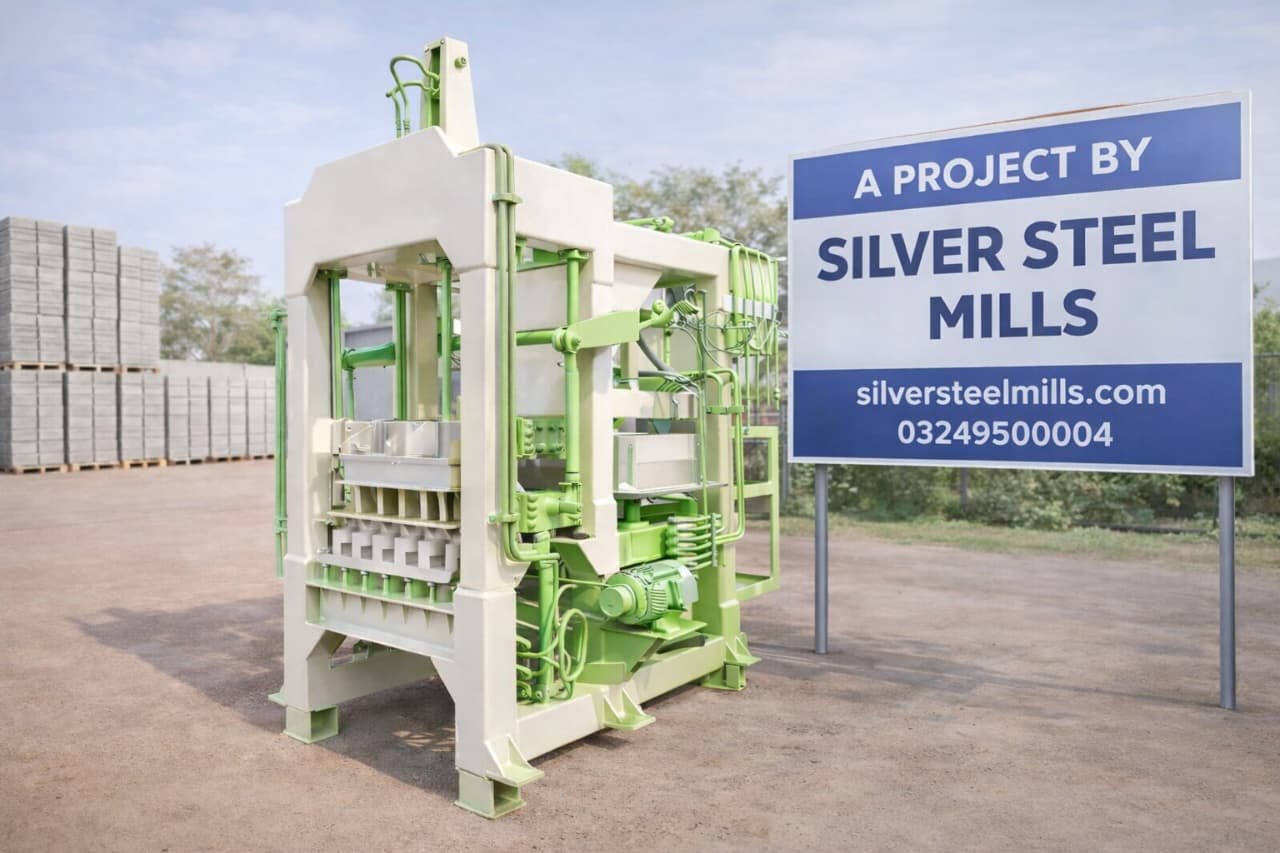
This industrial procurement guide establishes a rigorous technical inspection framework for purchasing used, second-hand, or reconditioned concrete block making machines within the Pakistani secondary market. It details critical wear zones—including hydraulic cylinder seals, PLC module depreciation, and mold wall tolerances—and provides a financial comparison to help investors determine whether a used asset offers a genuine return on investment (ROI) or hidden maintenance liabilities.
The Secondary Machinery Market in Pakistan
For many small-to-medium enterprises (SMEs) entering the precast concrete manufacturing sector in Punjab, Sindh, or KPK, buying a brand-new automated production line can be financially restrictive. Turning to the secondary market—such as industrial liquidations, heavy-machinery dealers, or local listings on platforms like OLX—appears to be a cost-effective way to acquire high-tonnage machinery at a 30% to 50% discount compared to new equipment.
Recommended Industrial Resources
Block Making Machine Price in PakistanTuff Tile Plant Price in Pakistan
Paver Block Machine Price in Pakistan
Automatic Block Making Machine
Used Block Machine for Sale
Fly Ash Bricks Machine
Concrete Batching Plant
Steel Structures in Pakistan
Industrial Shed Solutions
PEB Steel Buildings
However, purchasing a used block machine for sale in pakistan without a comprehensive technical audit is highly risky. Unlike static industrial equipment, a concrete block plant operates under continuous high-frequency vibration and intense hydraulic pressure. Micro-fractures in the steel frame, internal scarring in hydraulic manifolds, or outdated PLC software can quickly turn a cheap second-hand purchase into an operational money pit that causes frequent production shutdowns.
5-Point Technical Inspection Checklist for Used Block Machinery
Before finalizing the purchase of any second-hand block or tuff tile machine, an industrial engineer or senior plant operator must execute the following mechanical and structural inspections:
1. Structural Frame Integrity and Fatigue Cracks
Continuous vibration can cause structural fatigue along the welded joints of the main machine frame. Inspect the corner pillars and vertical guide rails for visible hairline cracks or structural warping. If the main frame is even slightly out of alignment, the mold will descend unevenly, causing rapid mold wear and producing blocks with uneven heights that fail quality tests.
2. Hydraulic Station and Pressure Stability
Request a live demonstration of the machine operating at maximum tonnage for at least 60 minutes. Monitor the hydraulic pressure gauge. If the pressure drops or fluctuates once the oil heats up, the hydraulic pump is worn out or there is internal leakage within the directional control valves. Replacing a commercial-grade multi-plunger hydraulic pump can cost hundreds of thousands of rupees.
3. Vibration Table and Eccentric Shaft Wear
The bottom vibration system is the heart of a block machine’s compaction capability. Check the eccentric shafts and bearings for excessive play or abnormal metallic knocking sounds. Worn bearings reduce vibration frequency, which directly lowers the density and crushing strength of the finished blocks.
4. PLC Automation System and Software Obsolescence
Older automated machines often use outdated or unbranded PLC units. Ensure that the touchscreen interface responds correctly and that the control software allows for manual overrides during calibration.
Technical Warning: Sourcing replacement electronic cards or programming support for an obsolete, unbranded PLC system in the local Pakistani market can be nearly impossible, often forcing a costly complete replacement of the control panel.
5. Mold Clearance and Carburization Depletion
Measure the gap between the tamper head and the mold cavities using a feeler gauge. If the gap exceeds 1.5mm, the mold liners are worn thin by abrasive aggregate dust. A worn-out mold causes concrete mix to bleed outward during compression, creating ragged edges on the blocks and increasing material waste.
Financial Comparison: Used vs. Reconditioned vs. New
To make an informed business decision, investors must evaluate the total cost of acquisition, which includes the purchase price, shipping, foundation modifications, and mandatory part replacements.
The comparison table below outlines the financial and operational trade-offs across different machinery states:
| Machinery Status Category | Average Purchase Price (Relative Cost) | Expected Component Lifespan | Breakdown Risk / Operational Downtime | Warranty & Technical Support |
| Used / As-Is (e.g., Local OLX Listing) | $40% – 55%$ of original cost | Unknown (High risk of immediate wear) | High (Requires frequent manual maintenance) | None (Buyer bears all risk) |
| Factory Reconditioned / Upgraded | $65% – 75%$ of original cost | 3 – 5 Years before major overhaul | Low-to-Medium (Critical parts are replaced) | Limited (Typically 3 to 6 months) |
| Brand-New Fabricated Unit | $100%$ Base Investment | 8 – 12+ Years (With routine servicing) | Minimal (Peak structural integrity) | 1 to 2 Years Full Factory Warranty |
The Advantages of Local Reconditioning
To avoid the risks of buying unverified used gear, smart investors often buy heavy structural frames from older models and have them completely reconditioned by trusted local experts.
When executing a factory upgrade, manufacturing firms turn to specialized local engineering companies. Industrial operators often send older machinery structures to established plants like Silver Steel Mills, where used block making machines are completely stripped down, the main frames are stress-relieved, hydraulic lines are refitted with premium high-pressure seals, and the systems are integrated with brand-new, modern PLC automation panels to match original factory performance specifications at a fraction of the cost.
Industrial Frequently Asked Questions (FAQs)
Q1: What is the biggest hidden cost when buying a second-hand block machine?
Answer: The cost of dismantling, heavy-crane transport, and pouring a brand-new reinforced concrete foundation at your site. These logistical and civil engineering expenses can add up to 20% to the initial purchase price of the used machine.
Q2: How can I check if a used machine’s hydraulic cylinders are damaged?
Answer: Extend the cylinder shaft completely and inspect the surface for deep vertical scratches, scoring, or pitting. Also, check the chrome plating; if the chrome layer is worn away, the shaft will destroy new rubber oil seals within days, causing constant oil leaks.
Q3: Is it safe to buy a second-hand concrete mixer along with the block machine?
Answer: Only if the internal liner plates and mixing blades are replaceable. Standard pan mixers suffer high abrasive wear from aggregate friction. If the bottom plate is worn completely thin or rusted through, the mixer drum will require extensive welding or complete replacement.
Q4: Why should I choose an imported used machine over a local unbranded second-hand unit?
Answer: Imported European or high-end Chinese machines use higher-grade structural steel (like Q345) and standardized components (like Schneider electronics or Yuken hydraulics), making it much easier to find replacement parts locally compared to custom local backyard fabrications.
Q5: Can I change the block size on a used machine if the seller doesn’t have the mold I need?
Answer: Yes. Virtually all block and paver machinery models feature a removable mold box assembly. You can order a custom-fabricated mold of any dimension (e.g., 4-inch hollow, 6-inch solid, or zig-zag tuff tile) and bolt it directly into the existing machine chassis.